Waterproofing involves applying membranes, coatings, and drainage systems to prevent water infiltration and ensure a structure remains dry and safe. It’s especially important for foundations, basements, roofs, and decks under hydrostatic pressure
Bituminous Sheet Membranes
Durable, flexible sheets used on roofs and underground walls.
Available in hot-applied and cold-applied variants; cold-applied avoids harmful fumes
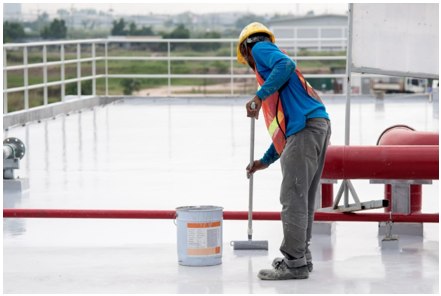
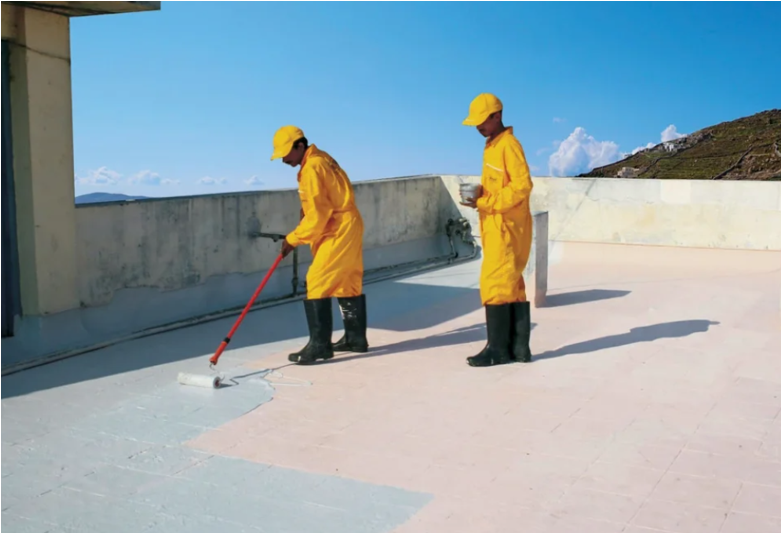
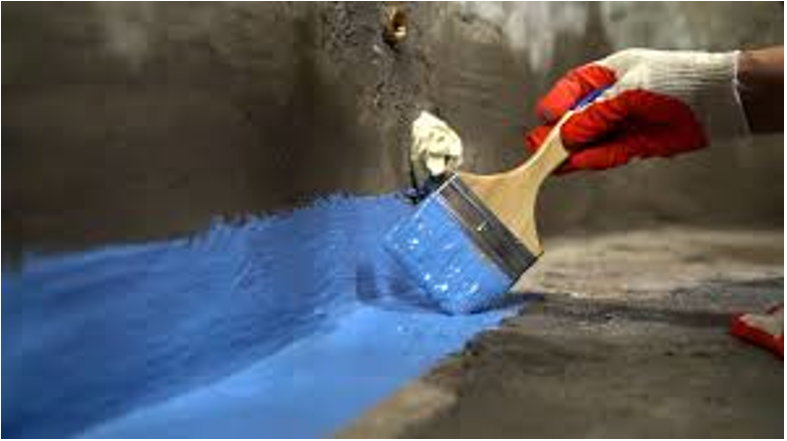
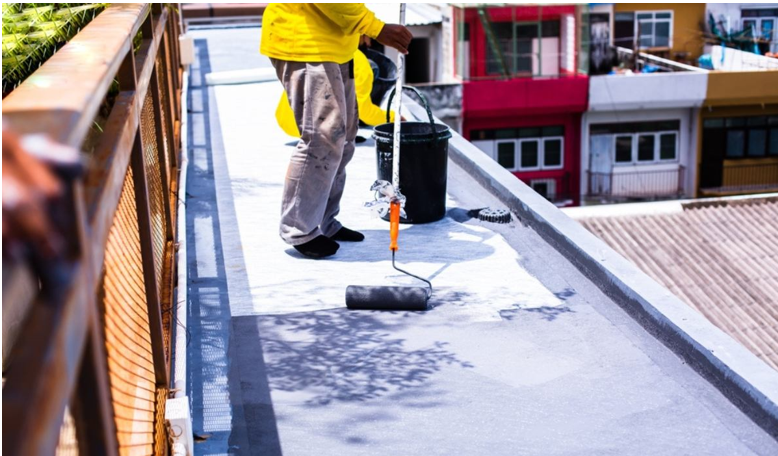
Liquid Membranes & Coatings
Include asphalt emulsions, rubberized coatings, and polymer sealants.
Applied as a seamless layer—ideal for decks, balconies, and complex shapes
Damp-Proofing vs. Waterproofing
Damp-proofing shields against non-pressurized moisture.
Use systems like French drains, sump pumps, and exterior weeping tiles to redirect water away from the structure
Benefits of Proper Waterproofing
Prevents structural damage, mold growth, and deterioration. Enhances indoor air quality and expands usable space (e.g., basements)
Common Issues & Solutions
Leaks from cracks or joints: Repair using epoxy or polyurethane injections Hydrostatic pressure: Must combine membranes with drainage systems Inadequate slope/drainage: Causes pooling—address through yard grading and French drains